Why ‘B737NG simulator’ is not a complete requirement
A B737NG simulator project can take very different forms. One organization may need a compact platform for cockpit familiarization and procedure teaching. Another may require an enclosed dual-crew cockpit, panoramic visuals and a full-motion platform.
Both projects can be described as B737NG simulation, but their engineering scope, installation requirements and quotation structure will be significantly different. Before contacting a manufacturer, the buyer should define the intended training mission, expected cockpit coverage, motion requirement, visual environment, instructor functions and available installation space. Clear input at this stage helps the supplier prepare a relevant proposal instead of a quotation based on assumptions.
1. Start with the training mission
The first question is not whether the simulator should move. It is what instructors and trainees must be able to do with it. A B737NG platform may be used for cockpit layout and panel familiarization, normal procedure and checklist instruction, flight-deck workflow demonstrations, coordinated control-input practice, crew-role exercises, aviation-college teaching or guided flight experiences.
Aviation colleges may prioritize visibility, instructor access and repeatable classroom lessons. Flight-training organizations may place greater emphasis on cockpit workflow and dual-crew operation. Museums and experience centers may need intuitive operator controls and reliable daily visitor use. The quotation request should therefore describe the application and users, not only the aircraft model.
2. Decide between an IPT and a full-motion platform
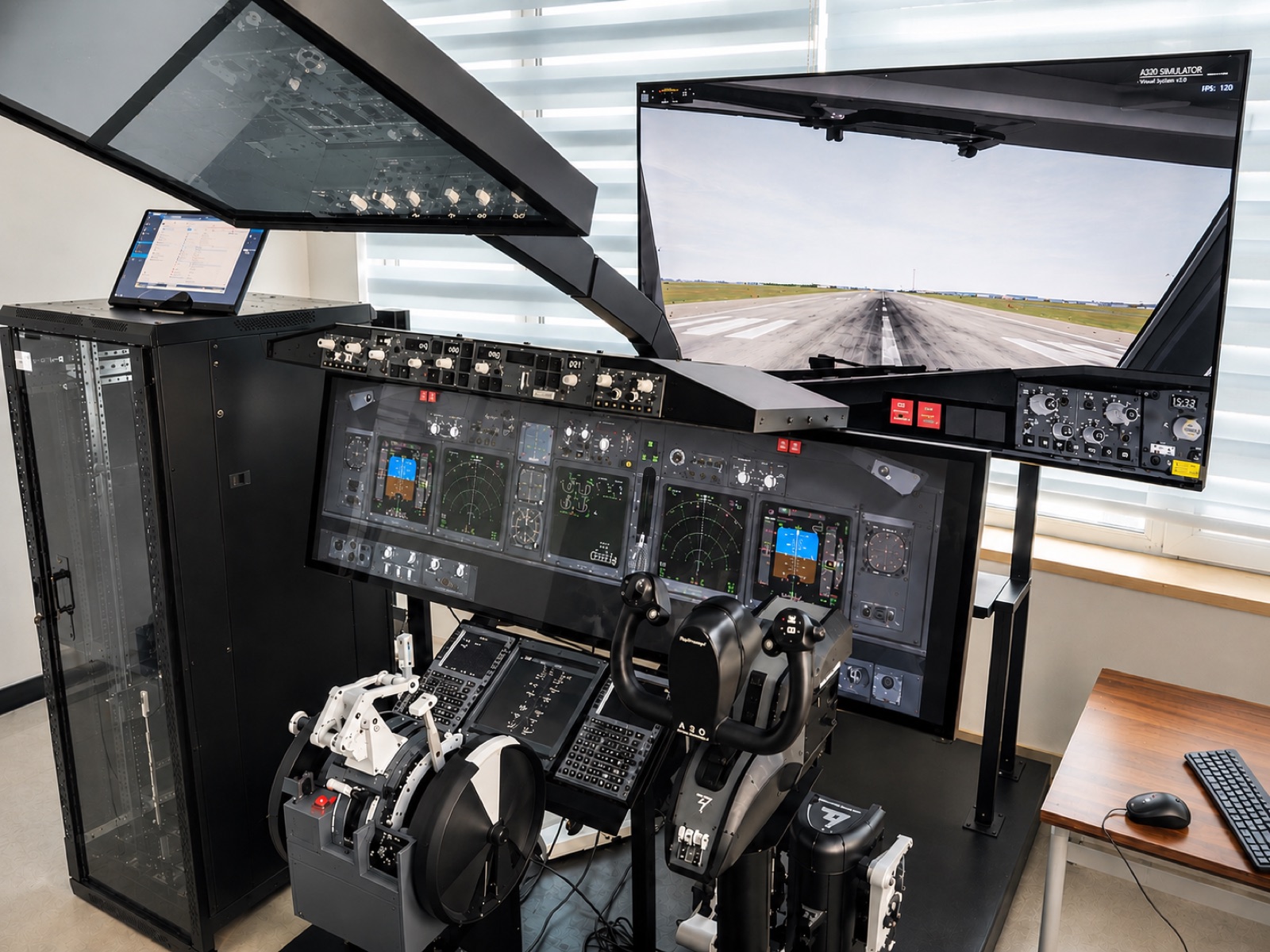
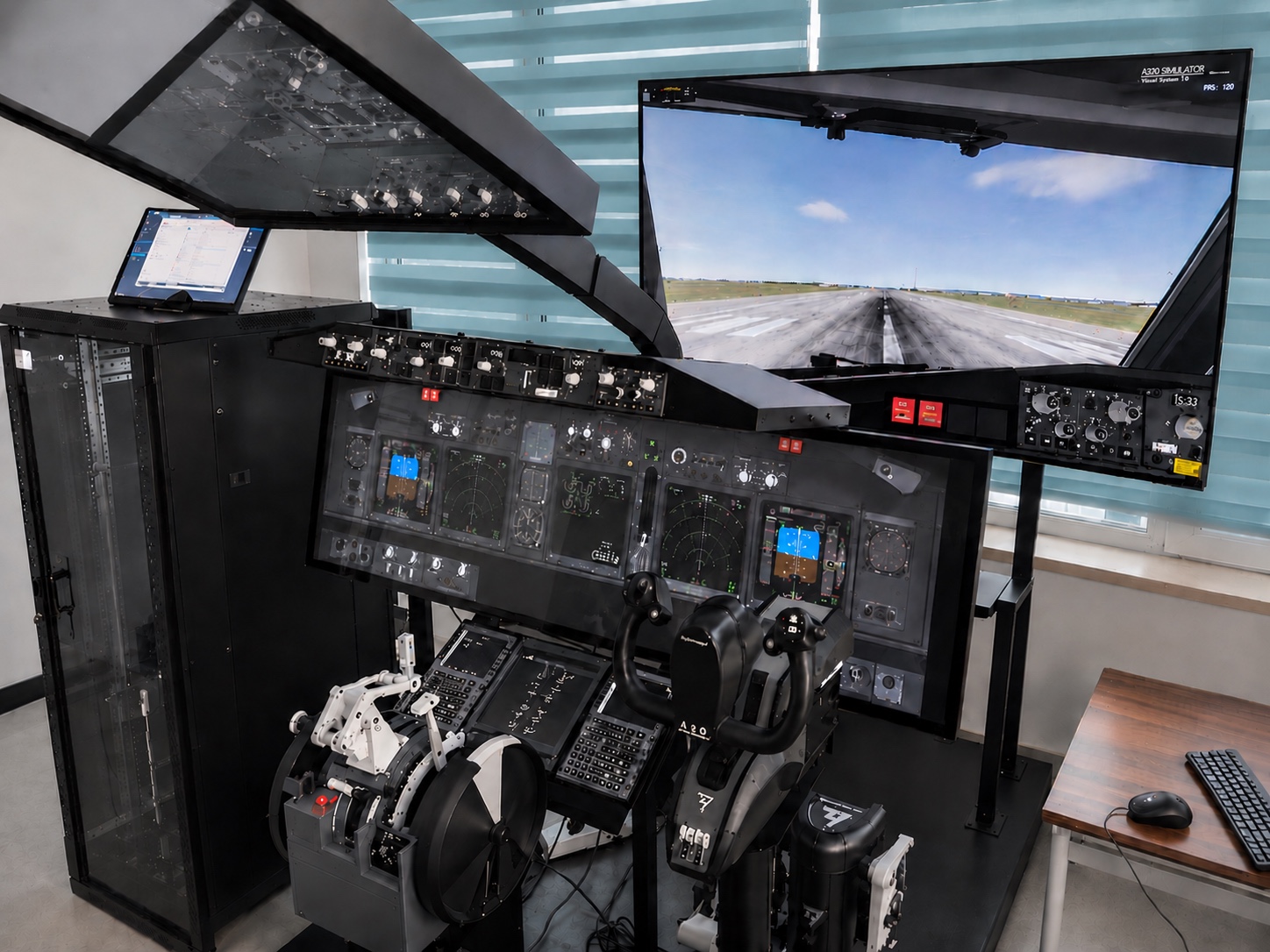
For procedure teaching and cockpit familiarization, a fixed-base B737NG IPT can be an efficient starting point. Foshan Dynamic’s B737NG IPT consolidates major flight-deck areas into a compact training platform. Its configuration includes a touch-enabled cockpit system, main instrument panel, overhead panel, throttle, yoke, rudder pedals and a 65-inch visual display. The published footprint is approximately 2 × 2 × 2 metres.
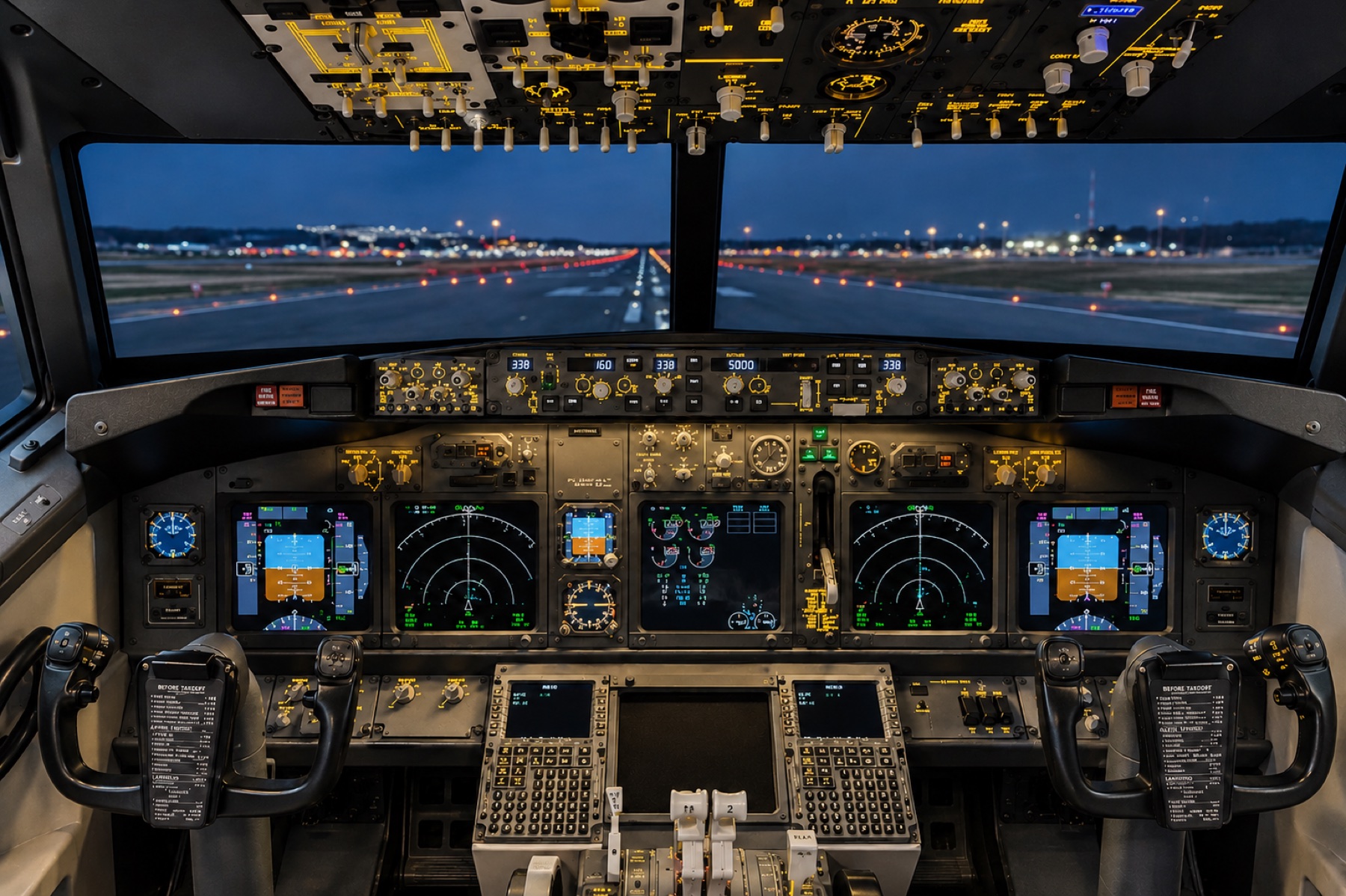
A B737NG 6DOF full-motion simulator serves a different project objective. Foshan Dynamic’s configuration uses a full-size enclosed B737NG cockpit, linked dual-crew controls, a six-degree-of-freedom motion platform and a 220-degree panoramic LED visual system. Its published footprint is approximately 6 × 6 metres. Motion should therefore be selected because it supports the project mission—not simply because it is the highest available configuration.
3. Define the required cockpit coverage
‘B737 cockpit’ can still mean different levels of hardware and functional coverage. The buyer should identify which cockpit zones must be included and whether the device will normally be operated by one trainee, two crew members or an instructor-led group.
For a teaching platform, the ability to demonstrate panel logic and normal workflows may be more important than a fully enclosed structure. For a larger dual-crew project, access to the overhead, center pedestal and linked flight controls may be central to the training plan.
- Main instrument panel and flight displays
- Overhead panel and center pedestal
- Throttle quadrant, yokes and rudder pedals
- Captain and first-officer control positions
- Enclosed cockpit structure and instructor access
4. Match the visual system to the room and lesson
The visual requirement affects both training use and room planning. A compact B737NG IPT may use a single large display for guided procedures and basic flight demonstrations. A more immersive installation may use a panoramic visual system surrounding an enclosed cockpit.
Before requesting a quotation, provide the available room length and width, clear ceiling height, door and corridor dimensions along the installation path, preferred cockpit orientation, instructor and observer space, expected number of users, and available electrical and air-conditioning conditions. Room drawings, photographs and a simple dimensioned floor plan are particularly useful for overseas installations.
5. Specify instructor and operator functions
A simulator must be manageable during daily lessons, demonstrations or visitor sessions. The buyer should explain what the instructor or operator needs to control. Depending on the project, this may include scenario selection, aircraft repositioning, weather settings, flight monitoring, procedure demonstrations or other instructor-led functions.
The correct operating workflow depends on the environment. A college instructor may need structured lesson control, while a public experience venue may prefer shorter and simpler sessions. These requirements should be discussed during configuration planning rather than added after the cockpit and visual system have already been selected.
6. Separate product configuration from qualification requirements
Buyers should distinguish between a configurable simulation platform and a device delivered for a specific regulatory qualification target. The standard configurations shown on Foshan Dynamic’s website are not supplied as FAA- or EASA-qualified devices. Any qualification target, required documentation, validation support and jurisdiction-specific compliance must be evaluated as a separate project requirement.
If qualification is relevant, state the target authority and intended device category at the beginning of the inquiry. It should not be assumed from the product name or visual appearance.
7. Clarify the delivery scope
An export quotation should define more than the simulator hardware. Ask the supplier to clarify the proposed scope for cockpit hardware, flight controls, visual equipment, motion platform, instructor station, software integration, packaging, shipping, installation, commissioning, operator training, documentation and after-delivery support.
The exact scope should be confirmed in the project proposal. Prices and schedules should not be compared until the configurations and delivery responsibilities are aligned.
A practical B737NG quotation checklist
Prepare the following information before sending an inquiry. If some decisions have not been made, identify them clearly and ask the engineering team to recommend an appropriate configuration.
- Organization type and destination country
- Intended training, teaching or visitor application
- Expected users and operating frequency
- Required cockpit zones and crew positions
- Fixed-base or 6DOF motion preference
- Visual-system and instructor-function requirements
- Available room dimensions, ceiling height and installation access
- Expected project schedule and requested delivery support
- Any regulatory qualification target
From requirement to project proposal
A useful B737NG simulator quotation starts with a defined mission and an honest description of the installation environment. For procedure teaching and cockpit familiarization, a compact B737NG IPT may provide the appropriate balance of functional coverage and room efficiency. For projects requiring an enclosed dual-crew cockpit, panoramic visuals and physical motion cues, a 6DOF platform may be the more suitable direction.
The final choice should be based on what the organization needs to teach, demonstrate or operate every day. Send Foshan Dynamic Technology your target application, destination country, room size, motion preference and expected schedule to begin a project-specific discussion.